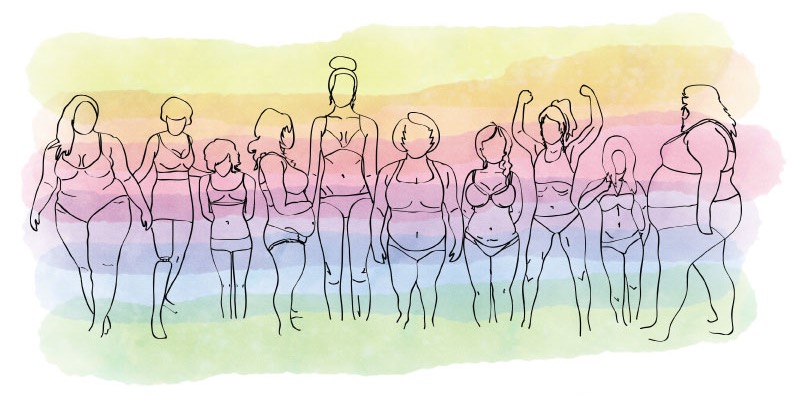
Even though millennials and generation X may seem more prepared for social media and the scrutiny that comes with it, young women’s growing minds are never prepared for comparing themselves to others. Either way, body image is something that takes years to appreciate and love, and through some soul searching, it may become a reality.
Diane Carlson Jones offers research on the correlation between body image dissatisfaction and comparisons to peers and/or media models Social Comparison and Body Image: Attractiveness Comparisons to Models and Peers Among Adolescent Girls and Boys. It is important to look at the dissatisfaction from both boys and girls, because often boys insecurities are overlooked. The target of the comparisons between appearance are often models/celebrities, because they are what young boys and girls often see on their TV’s or nowadays, social media. Attention to specific attributes is important because gender differences in the attributes contributing to attractiveness and body satisfaction have been noted. The more ideal features there are, the greater the burden is on young adults, specifically adolescent girls.
Ever since I was a young girl, I remember comparing my body to the other girls in my class. Although this did have a negative effect on my self esteem, I was also aware that every person’s body is different. The thing that was interesting to me was when I read that the more ideal features there are, the greater burden there is on young adults. I had never thought about that before, but it makes sense that if there are more features to worry about, then there is even more stress that is had by these growing adolescents. In actuality, what forces these young boys and girls to compare themselves to each other? What is the root cause of all of these comparisons?
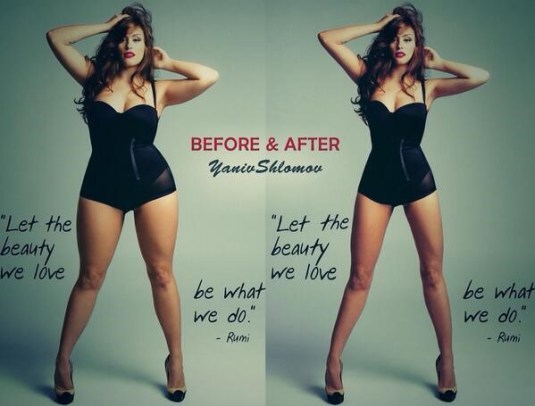
Sady Doyle focuses more so on how the upcoming generations are more prepared for a social media filled life, whereas older generations do not understand how it can seem so unbearable yet adolescents assimilate with the culture so seamlessly. Older generations of women do not understand that these young girls have known this their whole life, and if anything they grow up being prepared for what they are going to endure online. “young women have also proven to be remarkably creative in terms of finding ways to use the Internet to support each other and improve their lives. The microblogging site Tumblr, for example, is a haven for them: Its users are 51% female, with some sources reporting that half its traffic comes from people younger than 25. It’s also a hotbed for intense, diverse, literate feminist critique” (Doyle, 2001). With all of the data that shows how women are “historically condescended to, fetishized, and vulnerable to gendered violence or predation”, it is easy to just think that women are fragile on the internet, but what is not understood is that most of these women have been brought up this way, and they are stronger than most of the older people/men on the internet.
Although I can remember a life without social media, I was very young and at that age I do not think I would have even cared. Women get so much ridicule and hostility on social media, especially when it comes to the idea of body image. Fat shaming, skinny shaming- it can all be found on the different social media platforms. The difference is, we have grown up with these words being said about us, and what is forgotten is that there are other platforms that empower women rather than putting them down. We have been primed for this treatment ever since we entered the internet world, so if anyone can handle it, it is definitely women.
The shift in mens body image ideals (specifically in movies) is partly the media’s doing, but also correlates with men’s own ideals of sexuality, health, and aging. “the new bromance forged between the fitness and entertainment industries have vaporized the sense of unattainability that once enhanced these ideals” (Brodeur, 2015). There is much more media attention towards male actors gaining/losing weight for roles and towards their bodies in general. Examples of this are Chris Hemsworth’s body as Thor or even the weight loss of Jonah Hill. Both of these things are bringing more attention to the male body in the media which forces men to compare themselves without even realizing it.
This topic was something that I had never really heard about, but I was aware that it was definitely a thing. Men have always been pushed to the side because of the amount of attention that is put on women’s bodies, but as of recent men have been getting the negativity towards their body image as well. My question in all of this is, why has the attention historically always been put on women’s bodies and not mens? Why is a woman’s body so much more important to be kept in top shape than mens? This issue was not bad enough with just one gender being patronized, so another gender had to be added into the mix.
All in all, there has been talk about body image and hostility towards the subject since the beginning of time. With the recent addition of social media to the mix, there is even more room for scrutiny that is having a negative effect on each generation, every year. There is no clear answer to the problem of what we have to do to lessen this issue, but we can take different measures to help those who are insecure because of this. The most important thing is to become knowledgable about what is real and what is not, and to be proud of the body that you were born with, because there is nothing else like it.
Hannah Walsh

 Mental Health and Addictions