There is a correlation between mental health issues and the LGBTQIA community. Mental disorders are often portrayed in the entertainment industry in a negative light or follow a stereotypical image, similar to the way the LGBTQIA community is represented. Those who are not portrayed in the entertainment industry feel further isolated and lack the understanding of the disorders or communities they identify with. By bringing accurate knowledge and representation of mental health issues and the LGBTQIA community to schools, news and media, organizations have allowed stigmatized topics to become less taboo.
The LGBTQIA community not only faces stigmatization and discriminatory rights but also a lack of health awareness that requires the funding of organizations for education and prevention. Social determinants such as homelessness, family rejection, unemployment and bulling along with the physical illnesses of HIV, cancer, substance abuse and the overall mental health of the community is subject to neglect due to a lack of discussion and available health insurance. About 50% of the funding for LGBTQ health is from private foundations and target specific demographics among the community based on the organization.
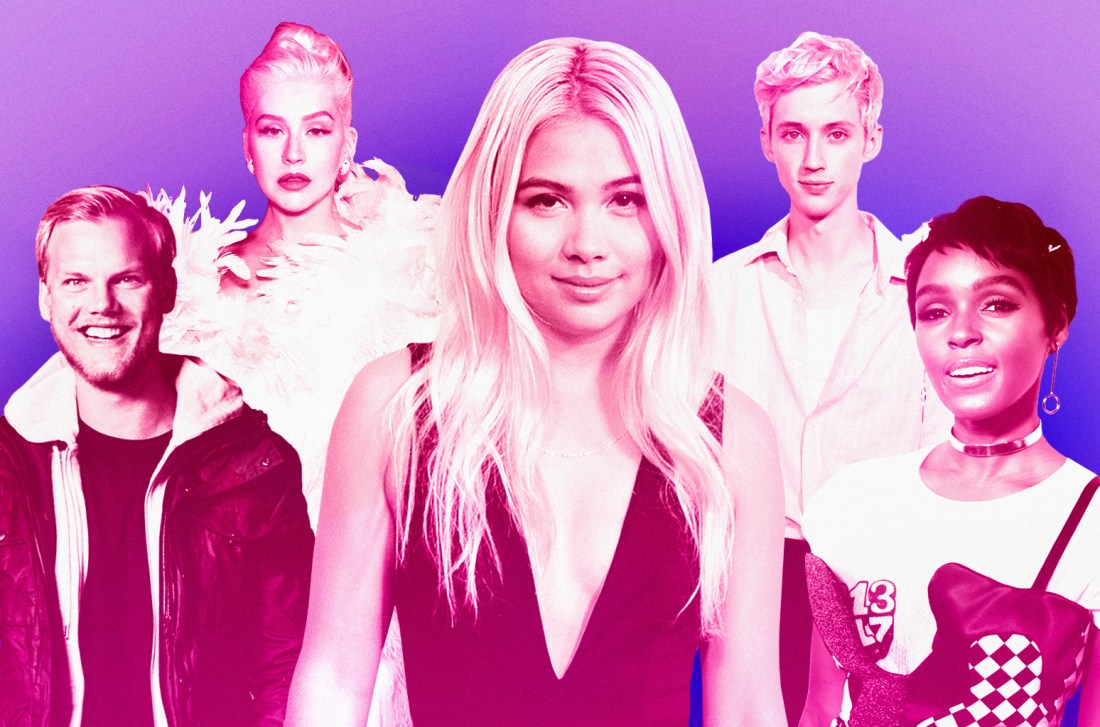
However, this year has marked a ground breaking movement of LGBTQIA representation in the entertainment and news industries. A greater understanding of the love, loss and joy within the LGBTQIA community results from music about gay relationships derived from rising pop-stars such as Sam Smith, Hayley Kiyoko, Troye Sivan, Janelle Monáe and Kehlani. Along with acknowledgment in the music industry, television and movies have increased in accurate depictions of the community, as well. The 2018 film, The Miseducation of Cameron Post, portrays the denial of adolescent sexuality and religious communities attempting to emotionally abuse youths through gay conversion therapy. The movie illustrates the toil it takes on one’s mental health when the community they resonate with condemns them for something they cannot choose.
Representation reached a new high when the 2018 midterm elections set a new record for the amount of women, minorities and LGBTQIA representatives within the American government. A most notable win goes to Democrat Sharice Davids for the Kansas congressional seat. She is the first lesbian Native American woman elected to Congress. Along with Davids, Democrat Jared Polis of Colorado had a successful win on November 6th, as well. He became the nation’s first openly gay governor along with Colorado’s first Jewish governor. Polis was among the multiple LGBTQIA representatives that ran for governor this year and the progression of visibility continues.
https://www.youtube.com/watch?v=DhEO6Z7qogU
Visibility and representation are so important in today’s political climate. The American public now has access to the news 24/7. Constantly reloading twitter feeds to see what the president of the free world has to say at 2 a.m., anxiously waiting to watch our favorite comedian discuss current events on their late night talk show, and viewing celebrities advocate for civil rights movements on Instagram along with an advertisement for weight-loss tea. Youth are tuned-in to the political environment more than ever before and thus their identities and stories should be reflected through democracy.
For the young people of America struggling with their identity, having representatives within their identifiable communities in the House as well as Congress creates hope and understanding. “When people are able to see something represented, they are better able to understand and grasp who those people are, and this creates an important shift in the social consciousness to include people from a range of different backgrounds.” Having portrayals of the LGBTQIA community in the government and media gives those who identify with the community a sense of affirmation and self-worth. The mental health of women, minorities, LGBTQIA and religious groups relies on the recognition that their identities matter and their voices can be heard.
Emily Salesky


 Mental Health and Addictions